Stromata Editions
The Shepherd of Hermas
A book about the possibility of change and the life people build together.
Visions, commandments and symbolic stories about repentance, trust, wealth and responsibility for others. The Shepherd of Hermas opens a world of early Christianity in which the hope of renewal comes with a demand to act.
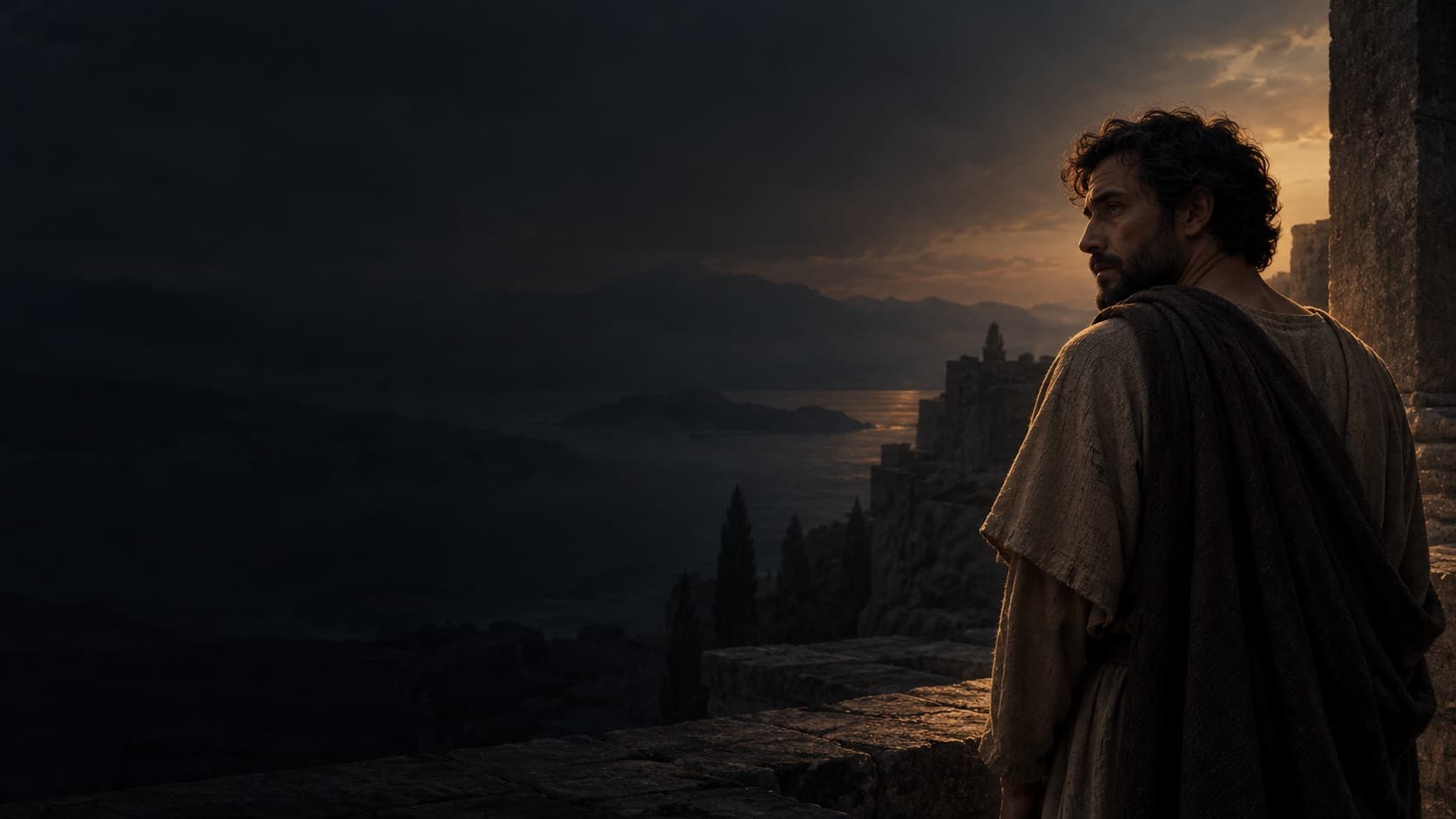
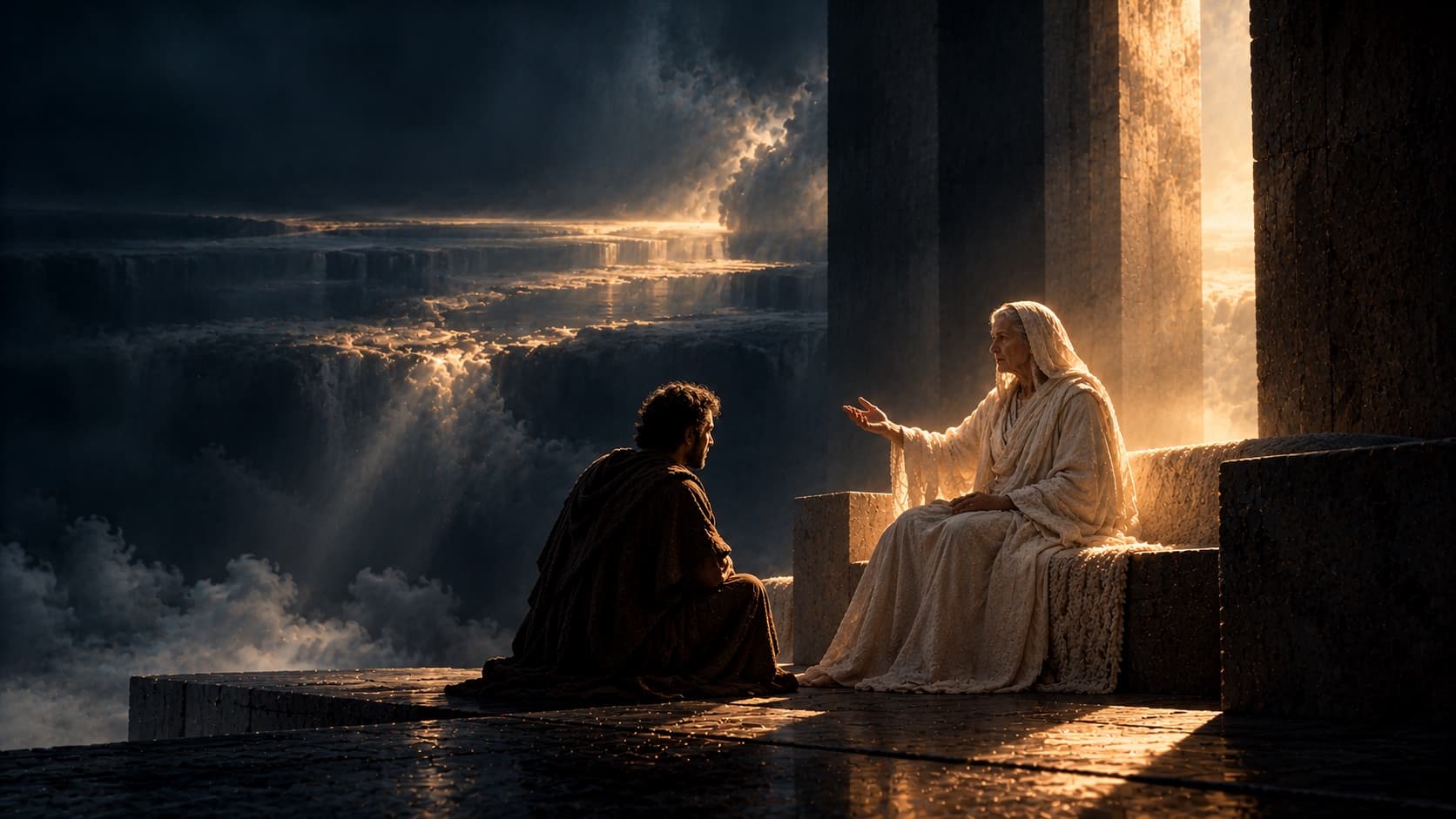
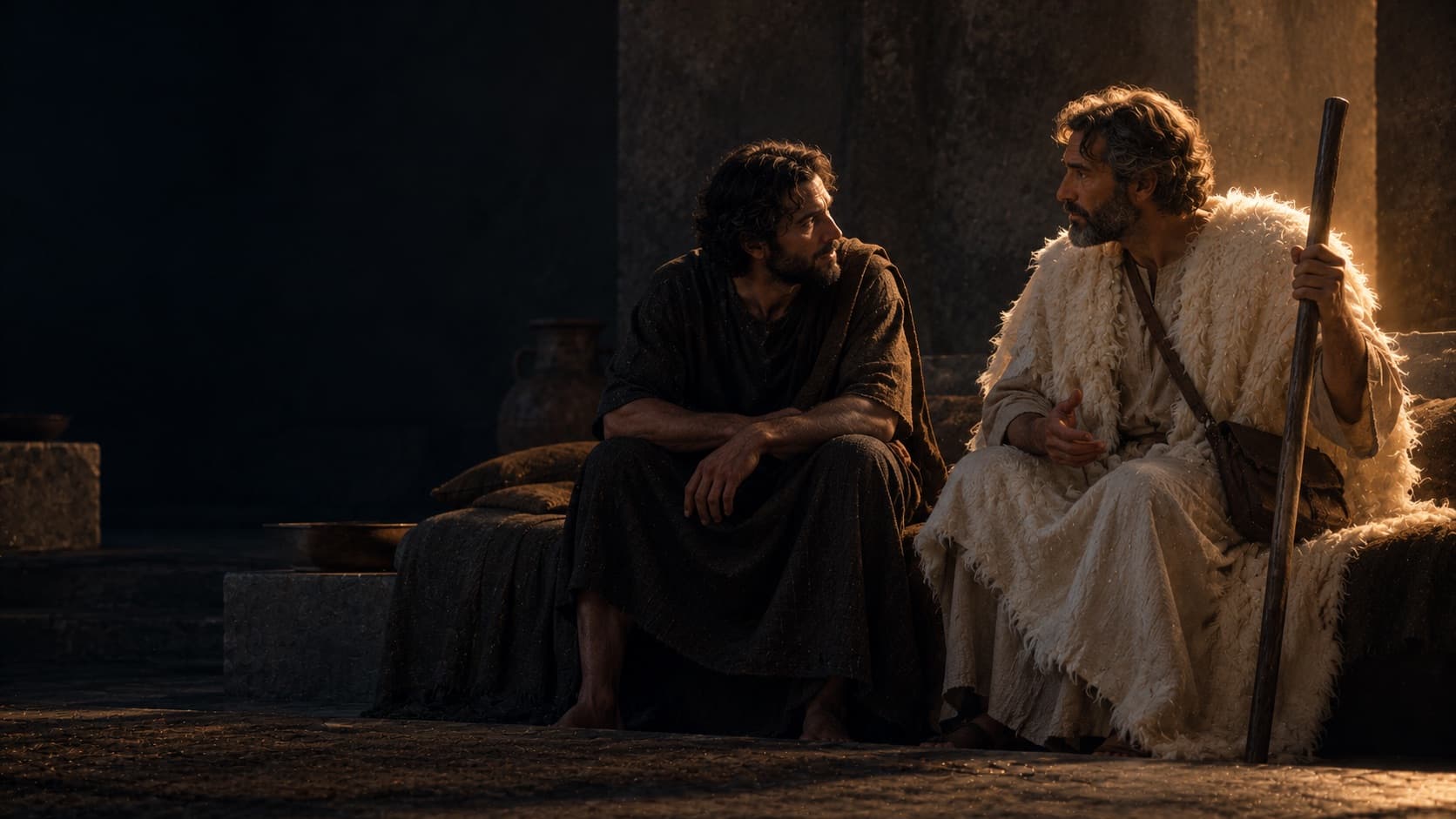
Conceptual illustrations, not historical reconstructions.
Is a fresh start possible?
Hermas receives instruction about his own life, his household and his community. A personal conversation grows into an extended account of repentance: how to recognise wrongdoing, change one's conduct and remain faithful to that decision.
Yet this is more than a collection of rules. A woman who embodies the Church, the Shepherd, a tower under construction, trees and stones form a world of visions and interpretations. Images return and acquire further meanings, connecting the fate of an individual with the life of a whole community.
This text belongs to the ancient world. Its social relations and religious ideas call for careful reading; the resemblance to questions we ask today does not erase the differences.
A few bearings
The work is associated with Roman Christianity in the second century. Its precise dating and history of composition remain debated. Hermas is the narrator's name and the name traditionally given to the author. The first-person narrative cannot simply be treated as an established biography.
The traditional structure comprises five Visions, twelve Commandments and ten Similitudes. A continuous numbering of chapters 1–114 helps locate passages within these divisions.
The book was cited, copied alongside New Testament writings and recommended for instruction. Its authority varied among ancient readers.
Three parts of a shared journey
Visions
Five visions introduce Hermas to a world of revelation and present the community through changing figures and the building of a tower. The fifth Vision introduces the Shepherd and prepares the transition to instruction.
Commandments
Twelve commandments address faith, truthfulness, desires, doubt and conduct. Repentance is explored through the choices a person makes.

Similitudes
Ten symbolic stories develop the themes of the instructions. Trees, branches, stones and the tower become images through which relationships within the community are explained.
About the Stromata edition
We are preparing translations into English, German, Ukrainian and Russian directly from the source text used for each passage. The Greek source is used through Similitude 9.30.2; the continuous ending, 9.30.3–10.4.5, is translated from the ancient Latin version known as the Vulgata.
Notes are kept separate from the ancient text. A reading edition and a parallel view of the translation and its source will become available as sections are added. Audio will follow once recordings have been prepared and checked.
How this book was read

Beside the New Testament: Reading the Shepherd of Hermas
Why a book could be invoked as Scripture, recommended to beginners and restricted in church use. Ancient witnesses and the limits of what Codex Sinaiticus can establish.
The article is being prepared for the website.
Read and listen
The reading text and audio edition are being prepared for the website.